
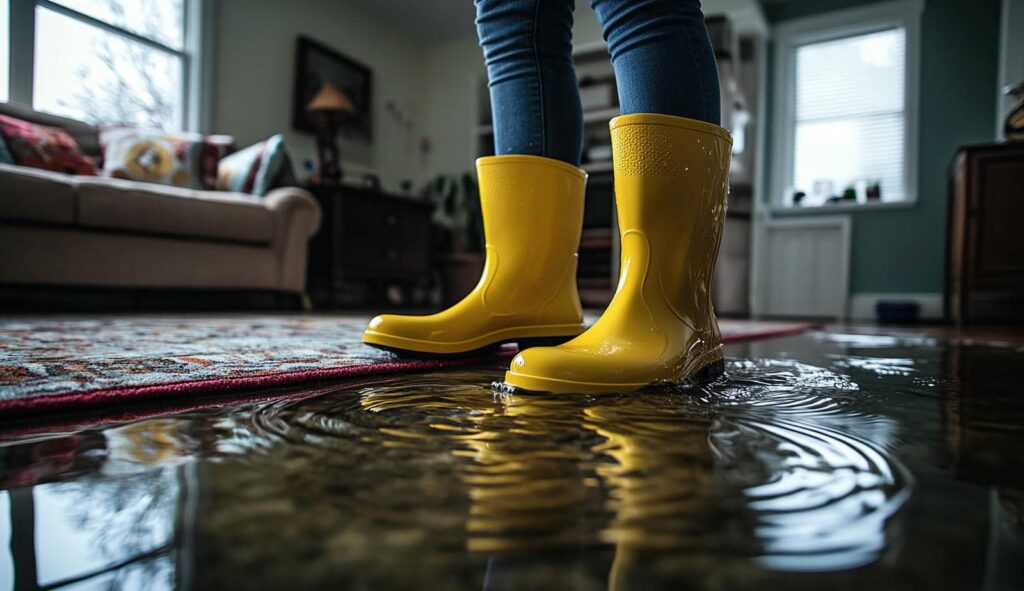
Imagine a homeowner returning to find several inches of water in their basement after a heavy storm. The initial shock quickly turns to urgency as they realize the potential for mold and structural damage. To tackle such a crisis effectively, understanding the steps for successful flood damage restoration is vital. You need to know how to assess the damage, ensure safety, and implement efficient recovery techniques. What comes next can make all the difference in restoring your home.
Key Takeaways
- Conduct a thorough damage assessment to document water levels and structural issues for effective insurance claims.
- Prioritize safety by checking for hazards and using protective gear during cleanup efforts.
- Utilize sump pumps or wet/dry vacuums for efficient water removal from affected areas.
- Implement drying techniques with dehumidifiers and fans to prevent mold growth and structural damage.
- Clean and sanitize surfaces thoroughly, focusing on porous materials to eliminate contamination and odors.
Assessing the Extent of Damage
How can you effectively determine the extent of flood damage to your property? Start with a systematic damage evaluation.
Walk through each room, noting water levels, structural integrity, and any visible mold or mildew. Document everything with photos and detailed notes, as this will support your insurance claims later.
Pay close attention to walls, flooring, and personal belongings, as these areas often suffer the most.
If you’re unsure about certain damages, consider consulting a professional. They can provide a more thorough assessment, ensuring you don’t overlook hidden issues that could worsen over time.
Remember, the sooner you assess and document the damage, the better your chances are of a successful insurance claim.
Your home is your sanctuary, and knowing its condition can help you feel more in control during this challenging time.
You’re not alone in this; many have faced similar situations and emerged stronger.
Ensuring Safety First
Before you begin any cleanup efforts after a flood, ensuring your safety should be your top priority. Start by evaluating the situation: check for structural damage and hazards like downed power lines or gas leaks. If you smell gas or see sparks, evacuate immediately and contact professionals.
Equip yourself with proper gear—rubber gloves, boots, and masks—to protect against contaminants. Remember, emergency preparedness is vital; have a first aid kit and flashlights on hand.
Stay informed about local weather updates and follow any evacuation orders. Personal safety isn’t just about immediate risks; it’s about your mental well-being too. Take breaks, and don’t hesitate to ask for help from friends or neighbors.
You’re not alone in this recovery process, and leaning on your community can make a significant difference. Prioritizing safety ensures you can tackle the restoration efforts effectively and with confidence.
Water Removal Techniques
Once you’ve ensured your safety, it’s time to focus on efficient water removal to prevent further damage to your home.
Begin by using sump pumps, which are vital in removing large volumes of water quickly. Position the pump in the lowest area of your home to maximize its effectiveness. If you’re dealing with smaller amounts of water, consider using a wet/dry vacuum for targeted water extraction.
Make sure to clear debris around the water source to enhance the efficiency of your equipment.
Don’t forget to wear protective gear, as floodwaters can contain harmful contaminants.
Once you’ve extracted the majority of the water, check for hidden pockets where water may linger. Addressing these areas promptly will help you avoid mold growth and structural damage.
Drying and Dehumidification
Effective drying and dehumidification are essential steps in the flood damage restoration process, often requiring meticulous attention to detail.
Without proper moisture control, secondary damage like mold growth can occur, complicating your recovery efforts.
To ensure a successful drying process, remember these key points:
- Use high-capacity dehumidifiers to reduce humidity levels.
- Implement fans to promote air circulation throughout the affected areas.
- Open windows and doors when weather permits, allowing fresh air to flow.
- Remove soaked materials like carpets and drywall to speed up drying.
- Monitor moisture levels with a hygrometer for ideal results.
Cleaning and Sanitizing Affected Areas
Cleaning and sanitizing the affected areas after a flood is essential to ensure a safe and healthy environment. Start by removing any debris and contaminated materials.
Use a mixture of water and chemical sanitizers to scrub surfaces thoroughly, ensuring you reach every corner where bacteria and mold can thrive. Pay particular attention to porous materials that may retain moisture, as they’re prone to mold growth.
For effective mold prevention, consider using specialized mold-killing solutions in your sanitizing process.
After cleaning, allow surfaces to dry completely to further inhibit mold development. Ventilate the area well to facilitate drying and remove any lingering odors.
Preventing Future Flood Damage
To protect your home from future flood damage, regular maintenance checks are essential for identifying vulnerabilities.
Installing flood barriers can greatly reduce the risk of water intrusion during heavy rains.
Taking these proactive steps safeguards your property and offers peace of mind.
Regular Maintenance Checks
While you may not be able to control the weather, regular maintenance checks on your property can greatly reduce the risk of flood damage.
By conducting seasonal inspections, you can identify potential issues before they escalate.
Here are some key areas to focus on:
- Inspect gutters and downspouts for clogs.
- Check the foundation for cracks or erosion.
- Verify drainage systems are functioning properly.
- Look for signs of water damage in basements or crawl spaces.
- Review your flood insurance policy to confirm adequate coverage.
Install Flood Barriers
Regular maintenance checks can only go so far in protecting your property from flood damage. Installing flood barriers is a proactive step you can take to safeguard your home.
There are various flood barrier types, including temporary, permanent, and inflatable options, each tailored to your specific needs. Understanding the installation techniques is vital; for instance, securing barriers tightly to the ground prevents water seepage.
You might also consider community-based solutions, collaborating with neighbors to create a more resilient environment. Remember, investing in flood barriers not only protects your property but fosters a sense of community safety and belonging.
Taking these steps today ensures you and your loved ones feel secure tomorrow, enhancing your home’s defenses against future floods.
Frequently Asked Questions
How Long Does the Entire Restoration Process Typically Take?
The restoration timeline for flood recovery typically takes anywhere from a few days to several weeks. Factors like the extent of damage and moisture levels can affect how quickly you can return to normalcy.
Will My Insurance Cover Flood Damage Restoration Costs?
Your insurance policies might cover restoration costs, but it depends on your specific plan. Always review your coverage to ensure you’re protected during such devastating events.
Can I Restore My Home Myself Instead of Hiring Professionals?
You can attempt DIY restoration, but prioritize safety precautions. Assess your skills, tools, and the extent of the damage. Sometimes, professional help ensures thoroughness, preventing future issues. Trust your instincts and seek assistance when needed for peace of mind.
What Items Are Salvageable After Flood Damage?
After flood damage, you can salvage items like solid wood furniture, metal appliances, and certain electronics. Carefully evaluate each piece for damage, considering professional appliance restoration for essential items, ensuring your home feels whole again.
How Do I Deal With Mold After Flood Damage?
You’ll need to act swiftly. Start mold remediation by drying affected areas within 24-48 hours. Use dehumidifiers, clean surfaces with mold-killing solutions, and prioritize mold prevention strategies to ensure a safe, healthy environment for everyone.
Recap
Successfully restoring flood damage requires a methodical approach, from evaluating the damage to ensuring thorough cleaning. You might worry that the process is overwhelming, but visualizing each step helps make it manageable. Picture evaluating the damage, safely removing water, and using powerful dryers while wearing protective gear. By following these essential tips, you’ll restore your space and safeguard it against future flooding, ensuring a healthy environment for you and your loved ones.